

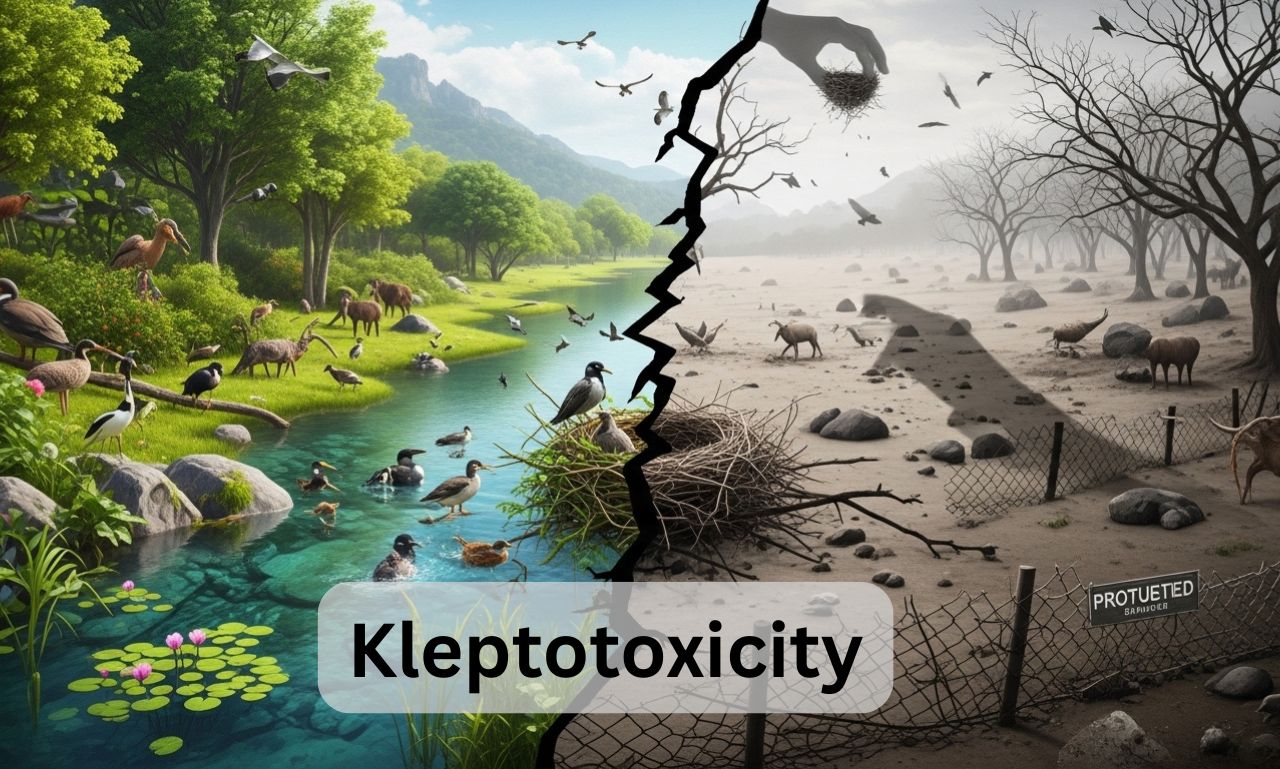
Imagine a world where the very essence of life is threatened by an unseen force—a silent thief that disrupts the balance of nature. This phenomenon, known as kleptotoxicity, is more than just a clever word; it represents a complex interaction between species that can lead to dire consequences for ecosystems and biodiversity. As we delve into this intriguing topic, you’ll discover how theft among animals impacts not only their immediate surroundings but also the intricate web of life on our planet. From underwater reefs to forested mountains, kleptotoxicity reveals itself in unexpected ways—shaping survival strategies and altering population dynamics. Join us as we explore this captivating subject and uncover the hidden implications of ecological theft.
What is Kleptotoxicity?
Kleptotoxicity is a fascinating ecological phenomenon where one species negatively impacts another through theft. This behavior often leads to the depletion of resources, which can create significant imbalances within ecosystems.
At its core, kleptotoxicity involves not just stealing but also introducing harmful substances into the environment. For instance, when an animal steals food that has been contaminated or tainted, it can inadvertently affect other organisms that consume that resource later on.
This concept extends beyond mere theft; it’s about how these actions ripple through biological communities. The consequences may include altered predator-prey dynamics and shifts in species populations.
Understanding kleptotoxicity sheds light on the interconnectedness of life forms and the delicate balance required for healthy ecosystems. It reveals how seemingly simple acts of theft can lead to profound effects on biodiversity and ecosystem stability over time.
Examples of Kleptotoxicity in Different Ecosystems
Kleptotoxicity manifests in various ecosystems, illustrating the complex interplay between species. In coastal regions, for instance, certain crabs steal shells from others. This theft can lead to increased mortality among those left vulnerable.
In freshwater habitats, some fish exhibit kleptotoxic behavior by pilfering food resources from their neighbors. This not only affects individual fish but also disrupts community dynamics and competition.
Terrestrial ecosystems showcase similar patterns. Birds often engage in stealing eggs or nest materials. The impact is profound—nest success rates drop dramatically when local birds become victims of this behavior.
Even plants aren’t exempt; parasitic plants can hijack nutrients and water from host species, leading to diminished health and growth of the latter. Each example underscores how kleptotoxicity weaves into the fabric of ecological relationships across diverse environments.
Impact on Biodiversity and Species Survival
Kleptotoxicity can have dire consequences for biodiversity. When one species steals resources or nutrients from another, it disrupts the delicate balance of ecosystems. This interference often leads to declines in populations that are already struggling.
For instance, in marine environments, if a predator takes food from a prey species intended to feed its young, it not only affects that individual’s survival but also hinders future generations. This cascading effect can alter entire food webs.
Additionally, kleptotoxic behavior may push vulnerable species closer to extinction. As they lose vital resources due to theft by more dominant organisms, their chances of survival diminish dramatically.
Such disruptions don’t just affect single species; they ripple through communities and habitats alike. A decline in one organism can jeopardize others that rely on it for sustenance or ecological roles. The integrity of our ecosystems hangs in the balance as these interactions unfold.
The Role of Human Activities in Causing Kleptotoxicity
Human activities significantly contribute to kleptotoxicity in various ecosystems. Urban development, industrial waste, and agricultural practices introduce pollutants that disrupt natural processes. These toxins can linger in the environment, affecting both flora and fauna.
Fishing practices often exacerbate this issue. Overfishing not only depletes fish populations but also alters food webs. As predators struggle to find adequate nourishment, competition increases among species, leading to aggressive behaviors that can result in kleptotoxic interactions.
Pollution from plastic and chemicals is another critical factor. Contaminated waters affect aquatic life’s ability to survive and thrive. Species may resort to stealing resources from their peers out of desperation.
Additionally, habitat destruction leads animals into closer contact with one another as they search for dwindling resources. This proximity breeds conflict and heightens instances of theft within these communities. The ripple effect on biodiversity cannot be underestimated; it creates a fragile balance that threatens ecosystem health.
Solutions and Mitigation Strategies
Addressing kleptotoxicity requires a multifaceted approach. One effective strategy is habitat restoration. By re-establishing native plants and animals, ecosystems can recover their natural balance.
Education plays a vital role as well. Raising awareness about the impacts of theft on biodiversity helps communities understand their connection to local wildlife. Workshops and community programs can foster stewardship.
Implementing regulations that protect vulnerable species is essential too. Enforcing laws against illegal poaching and theft ensures that ecosystems remain intact.
Collaborative efforts between governments, NGOs, and local communities have shown promise in mitigating the effects of kleptotoxicity. Partnerships can drive conservation initiatives while promoting sustainable practices.
Innovative technologies also offer solutions. Drones for monitoring wildlife populations or blockchain for tracking resources help deter illegal activities in real-time, creating safer environments for diverse species to thrive.
Case Studies of Successful Restoration Efforts
One notable case study is the restoration of coastal ecosystems in Florida. After decades of pollution and theft, local organizations worked tirelessly to rehabilitate mangroves and seagrasses. These efforts not only improved water quality but also provided crucial habitats for various species.
In California, a unique initiative focused on restoring kelp forests was implemented. By removing invasive species and banning certain fishing practices, biodiversity surged. Marine life returned in droves, showcasing nature’s resilience when given a chance.
Another inspiring example comes from the Caribbean islands, where communities united to safeguard coral reefs from destructive activities like illegal fishing. Through education and enforcement measures, these areas are seeing rejuvenated marine populations.
These cases highlight that with coordinated action and community involvement, ecosystems can bounce back from kleptotoxic impacts effectively. The success stories serve as beacons of hope for future restoration projects worldwide.
The Importance of Addressing Kleptotoxicity for the Health of Our Planet
Addressing kleptotoxicity is crucial for maintaining the delicate balance of our ecosystems. When theft disrupts natural interactions, it can lead to cascading effects on various species and their habitats.
Healthy ecosystems rely on trust and cooperation among species. Kleptotoxicity undermines these relationships, resulting in a loss of biodiversity that can have far-reaching consequences.
Moreover, protecting biodiversity is essential for the resilience of our planet. Diverse ecosystems are better equipped to adapt to environmental changes and stressors. By addressing kleptotoxicity, we not only restore balance but also enhance ecosystem health.
Furthermore, safeguarding vulnerable species from theft-related stresses helps ensure their survival. This effort benefits us all by preserving resources like clean air and water which are vital for human life.
Fostering awareness about kleptotoxicity encourages communities to take action—whether through education or conservation initiatives that prioritize ecological integrity.
Conclusion
Kleptotoxicity presents a compelling challenge to ecosystems and biodiversity. Its effects ripple through food webs, altering behaviors and survival strategies of various species. As we explore the intricate relationships within nature, it becomes clear that theft—whether physical or chemical—can destabilize these connections.
Human activities play a significant role in exacerbating kleptotoxicity. Pollution, habitat destruction, and overexploitation contribute to the prevalence of this phenomenon across different ecosystems. Addressing these issues requires concerted efforts from individuals, organizations, and governments alike.
Mitigation strategies can significantly reduce the impact of kleptotoxicity on wildlife. Restoration initiatives have shown promise in revitalizing affected habitats while fostering resilience among local populations. Successful case studies offer valuable lessons for future projects aimed at preserving our planet’s rich biodiversity.
Recognizing kleptotoxicity as a critical environmental issue is essential for ensuring ecological balance. By understanding its implications and taking proactive steps toward solutions, we can protect not only individual species but also the intricate tapestry of life that sustains us all. The health of our planet depends on our commitment to addressing these challenges head-on.
 Alex
Alex