

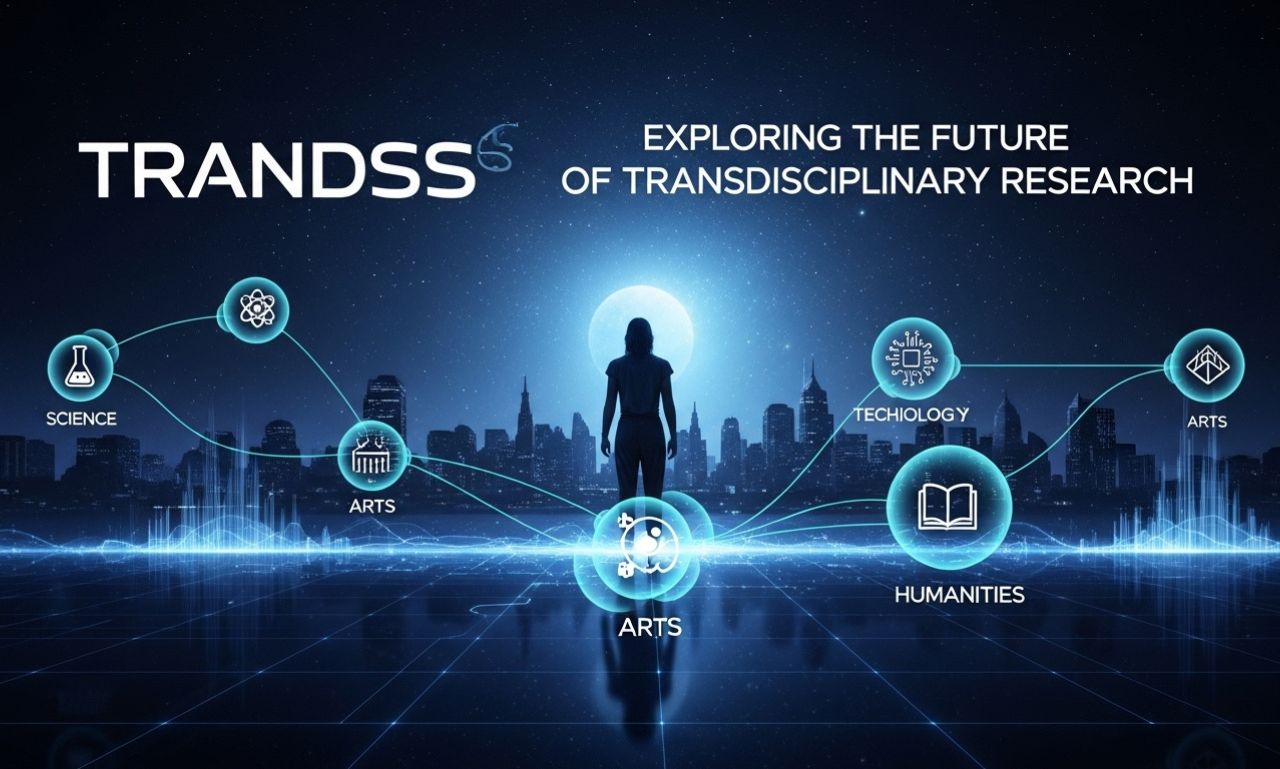
In an era defined by rapid change and complex challenges, the need for innovative approaches to research has never been more pressing. Enter transdisciplinary research—often abbreviated as Transds—a collaborative approach that transcends traditional academic boundaries. By integrating knowledge from diverse fields, Transds creates a powerful framework for tackling today’s multifaceted issues. Whether it’s climate change, public health crises, or social inequality, this model fosters solutions that are not only comprehensive but also sustainable. Join us as we explore the dynamic world of transdisciplinary research and uncover its potential to reshape our future.
What is Transds?
Transds, short for transdisciplinary studies, represents a groundbreaking approach to research that transcends traditional academic boundaries. It integrates knowledge from various disciplines to address complex societal challenges.
This innovative framework encourages collaboration among experts from different fields, including science, arts, social sciences, and humanities. Each participant brings their unique perspective and expertise to the table.
The aim is to create holistic solutions that are not merely additive but synergistic in nature. By fostering open communication across diverse domains, transds promotes creativity and innovation.
As global issues become increasingly intricate—like climate change or public health crises—the need for collaborative approaches grows ever more crucial. Transdisciplinary research has the potential to generate insights that individual disciplines might overlook.
This dynamic field invites new paradigms for inquiry and problem-solving while challenging conventional norms in academia and industry alike.
Defining Transdisciplinary Research
Transdisciplinary research goes beyond traditional boundaries. It merges knowledge from various disciplines to address complex societal issues.
At its core, transdisciplinary research involves collaboration among experts from different fields. This collective approach fosters innovative solutions that a single discipline might overlook.
Rather than just integrating ideas, it emphasizes co-creation with stakeholders outside academia. Engaging communities and practitioners ensures that research is relevant and impactful.
This model encourages diverse perspectives, fostering creativity and insight. The result is a more holistic understanding of problems, leading to actionable outcomes that resonate in real-world contexts.
In an era where challenges are interconnected—such as climate change or public health—a transdisciplinary framework proves invaluable. By breaking down silos, we can tackle the pressing issues facing society today more effectively.
The Benefits of Transdisciplinary Research
Transdisciplinary research, often referred to as Transds, brings together diverse fields and perspectives. This collaborative approach fosters innovation by combining expertise from various disciplines.
One major benefit is enhanced problem-solving capabilities. By integrating knowledge, teams can tackle complex issues more effectively than any single discipline could alone. The synergy created sparks new ideas that drive progress.
Additionally, transdisciplinary projects promote inclusivity. They engage stakeholders from multiple sectors—academia, industry, and communities—which enriches the research process with varied insights and experiences.
Moreover, this approach cultivates adaptability. Researchers learn to navigate different methodologies and frameworks, preparing them for a rapidly changing global landscape.
The benefits of Transds extend far beyond academic boundaries; they empower societies to address pressing challenges in innovative ways.
Challenges and Criticisms of Transdisciplinary Research
Transdisciplinary research faces several challenges that can hinder its effectiveness. One major issue is the difficulty in integrating diverse disciplines. Each field has its own language, methods, and priorities, making communication complex.
Moreover, funding can be a significant barrier. Many grant systems favor traditional disciplinary approaches over collaborative projects that span multiple fields. This leads to fewer resources for innovative transdisciplinary initiatives.
There’s also skepticism from within established academic circles. Some researchers question the validity of findings produced through such broad collaboration. They worry about dilution of rigor and depth when merging different methodologies.
Additionally, establishing clear objectives can be tricky. Transdisciplinary projects often aim to address complex societal issues but struggle with defining specific goals due to their multifaceted nature.
These challenges highlight the need for ongoing dialogue and adaptation within transdisciplinary frameworks to enhance future research endeavors.
Examples of Successful Transdisciplinary Research Projects
One notable example of successful transdisciplinary research is the Water Sensitive Cities initiative in Australia. This project brings together urban planners, engineers, environmental scientists, and community stakeholders to create sustainable water management solutions. Their collaborative efforts have led to innovative approaches that integrate green infrastructure into city designs.
Another impressive case is the Global Burden of Disease Study. It unites epidemiologists, statisticians, and public health experts across various countries. Together, they analyze vast amounts of data to understand disease prevalence and inform global health policies effectively.
The Future Earth platform also stands out by connecting researchers from diverse fields such as climate science, economics, and social sciences. Their goal is to tackle complex sustainability challenges on a global scale through cooperative research endeavors.
These projects illustrate how collaboration across disciplines can lead to impactful results that address urgent societal needs.
The Role of Technology in Advancing Transdisciplinary Research
Technology serves as a catalyst for transdisciplinary research, breaking down traditional barriers between disciplines. With advanced data analytics and machine learning, researchers can process vast amounts of information quickly. This capability fosters collaboration across fields that once operated in silos.
Digital platforms enable communication among diverse teams worldwide. Researchers from various backgrounds can share insights seamlessly, enhancing the richness of their projects. Virtual reality and simulation tools are increasingly used to visualize complex problems, making it easier to understand different perspectives.
Moreover, open-source software promotes transparency and accessibility. It encourages interdisciplinary partnerships by allowing researchers to build upon each other’s work without restrictions. As technology continues to evolve, its integration into transdisciplinary frameworks will likely redefine methodologies and outcomes in groundbreaking ways.
The Future of Transdisciplinary Research: Emerging Trends and Opportunities
The future of transdisciplinary research is vibrant and full of promise. As global challenges become more complex, the need for collaborative approaches grows. Researchers are increasingly crossing traditional boundaries to find innovative solutions.
Emerging trends highlight a shift toward integration. Fields like artificial intelligence and biotechnology are converging with social sciences, creating new avenues for inquiry. This blend fosters creativity and encourages unconventional thinking.
Opportunities abound in education as well. Universities are reimagining curricula to emphasize interdisciplinary collaboration among students from diverse backgrounds. The goal is not just knowledge accumulation but cultivating adaptable thinkers ready for real-world problems.
Funding agencies also recognize the value of transdisciplinary work, often prioritizing projects that address sustainability or public health concerns across multiple sectors.
As we look ahead, it’s clear: the landscape of research will continue evolving, driven by collaboration and innovation at its core.
Conclusion
Transdisciplinary research, or transds, is reshaping the landscape of innovation and problem-solving. By bridging diverse fields of study, researchers can tackle complex challenges that single disciplines cannot address alone. The benefits are vast; collaboration leads to new insights and solutions that drive progress.
However, it’s essential to acknowledge the challenges this approach faces. Differences in methodology and communication styles can create friction among teams. Despite these hurdles, successful examples from various sectors demonstrate how overcoming these barriers fosters creativity and effectiveness.
Technology plays a pivotal role in advancing transdis research by facilitating collaboration across borders and disciplines. Emerging tools allow for seamless integration of data, enabling researchers to work together more efficiently than ever before.
As we look ahead, the future of transdisciplinary research appears promising with numerous emerging trends shaping its trajectory. The demand for interdisciplinary approaches will only increase as global issues become more interconnected.
Embracing transds today may very well be key to unlocking tomorrow’s innovations—creating pathways toward sustainable solutions that benefit society as a whole while fostering a culture of collaboration across varied domains.
 Tony
Tony