

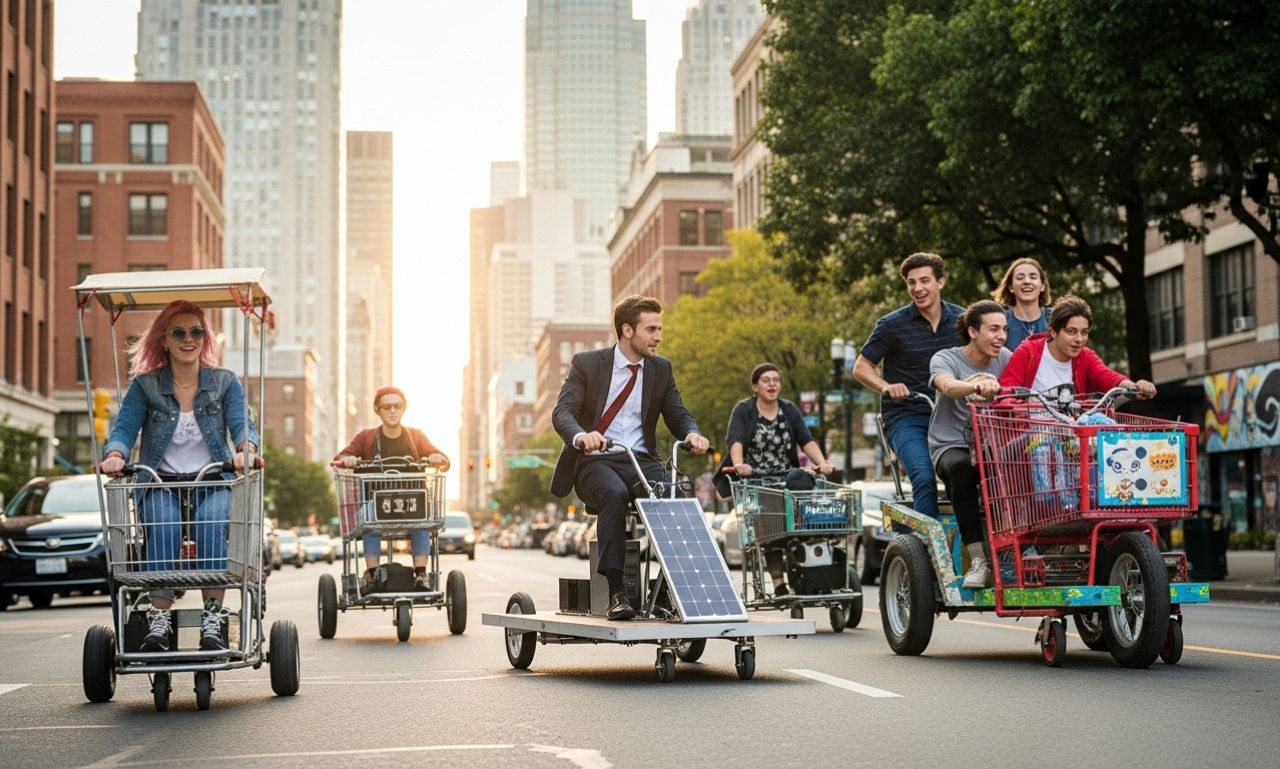
Urban transportation is undergoing a significant transformation, and at the forefront of this change are afruimwagens. These innovative vehicles are reshaping how we navigate our cities, offering new solutions to age-old traffic problems. As urban areas become increasingly congested, citizens are seeking alternatives that prioritize efficiency and sustainability. Afruimwagens promise not only to ease the burden of daily commutes but also to enhance the overall quality of life in bustling metropolitan environments. Let’s dive into what afruimwagens truly are and explore their impact on urban transportation today.
What is Afruimwagens?
Afruimwagens are a new wave of urban mobility solutions, designed to revolutionize how we navigate city landscapes. These innovative vehicles blend technology with practicality, catering to the needs of city dwellers.
They often resemble compact electric shuttles and can accommodate multiple passengers. Their design emphasizes accessibility, making them suitable for various demographics.
Powered by clean energy options, afruimwagens reduce reliance on traditional fossil fuels. This aspect not only lowers operating costs but also promotes a greener environment.
Incorporating smart technology, they offer real-time tracking and seamless booking through mobile apps. This convenience makes them an appealing choice for commuters seeking efficient alternatives.
As cities face growing congestion challenges, afruimwagens present a fresh approach to urban transportation that prioritizes sustainability and user experience.
History and Evolution of Afruimwagens
The history of afruimwagens is rooted in the quest for efficient urban mobility. Originating from a combination of traditional transport methods and modern technology, these vehicles have undergone significant transformation over the years.
Initially, afruimwagens were simple electric carts designed to navigate congested city streets. Their compact size made them ideal for short distances, catering to commuters looking for quick solutions.
As cities expanded and environmental concerns grew, manufacturers began enhancing their designs. The incorporation of sustainable materials and advanced battery systems marked a new era in their evolution.
Today’s afruimwagens are equipped with smart technology that allows real-time tracking and energy-efficient operations. This adaptability has positioned them as a crucial component in contemporary urban transportation strategies.
Benefits of Using Afruimwagens for Urban Transportation
Afruimwagens present a transformative approach to urban transportation. They offer an efficient alternative to traditional vehicles, significantly reducing traffic congestion in busy city centers.
These innovative transport solutions are designed for shared use. This means fewer cars on the road, leading to less pollution and improved air quality. Cities adopting afruimwagens often see a drop in carbon emissions, contributing positively to environmental sustainability.
Moreover, afruimwagens enhance accessibility. They provide convenient options for those without personal transportation or who prefer not to drive. This inclusivity supports community cohesion and encourages more people to explore their neighborhoods.
Cost-effectiveness is another key advantage. Users can save money on fuel and maintenance by choosing afruimwagens over private ownership. This financial relief allows individuals greater freedom in how they allocate their resources while enjoying seamless mobility throughout urban landscapes.
Challenges and Criticisms of Afruimwagens
Despite their promise, afruimwagens face several challenges. One major concern is the initial investment required for infrastructure development. Cities must allocate significant funds to create designated lanes and stations.
Additionally, existing public transportation systems may feel threatened by this new mode of transit. Operators and employees could resist changes that impact their livelihoods.
Another criticism revolves around accessibility. Not everyone can easily access afruimwagen services, particularly in underprivileged areas lacking proper routes or coverage.
Safety is also a vital issue. The integration of afruimwagens into busy urban environments raises questions about accidents and pedestrian safety.
Public perception plays a critical role as well. Many people remain skeptical about adopting this innovative transport solution due to unfamiliarity or past experiences with similar initiatives failing elsewhere.
These challenges underscore the need for thoughtful planning and community engagement to ensure successful implementation of afruimwagens in urban settings.
Success Stories of Cities Implementing Afruimwagens
Cities around the globe have begun to embrace afruimwagens, leading to remarkable transformations in urban transit. For instance, Cape Town launched a pilot program that significantly reduced traffic congestion and improved air quality. Residents quickly adopted this innovative mode of transportation.
In Amsterdam, afruimwagens became an integral part of daily commutes. The city saw an increase in shared rides, enhancing community connections while minimizing carbon footprints. Local businesses also benefited from increased foot traffic.
Barcelona’s initiative showcased how integrating afruimwagens into existing public transport systems can improve overall efficiency. Commuters found it easier to navigate the city without relying on personal vehicles.
These success stories underline the potential for afruimwagens to revolutionize urban landscapes worldwide. Each example highlights not just practicality but also a shift toward more sustainable living practices within vibrant communities.
Sustainability and Environmental Impact of Afruimwagens
Afruimwagens are revolutionizing urban transportation with a focus on sustainability. By utilizing electric or hybrid technologies, they significantly reduce carbon emissions compared to traditional vehicles.
These innovative transport options encourage the use of renewable energy sources. As cities shift towards greener power grids, afruimwagens can operate more efficiently and cleanly.
Their design often incorporates materials that are recyclable or sustainably sourced, minimizing their environmental footprint. This commitment to sustainability extends beyond just the vehicle itself; it influences city planning and infrastructure development.
Moreover, by reducing traffic congestion through efficient routing systems, afruimwagens contribute to lower air pollution levels in densely populated areas. They promote healthier living spaces for urban dwellers while enhancing mobility.
The integration of these eco-friendly vehicles into public transit networks encourages communities to embrace sustainable practices. This approach not only benefits the environment but also fosters a culture of responsibility among citizens.
Is the Future of Urban Transportation in Afruimwagens?
The urban landscape is rapidly changing. As cities grow, traditional transportation methods struggle to keep pace. This brings afruimwagens into the spotlight.
These innovative vehicles offer a fresh approach. Their design focuses on efficiency and accessibility, making them ideal for congested streets. People are looking for alternatives that reduce travel time without sacrificing comfort.
Moreover, technological advancements continue to enhance their appeal. With smart features integrated into, riders can enjoy seamless journeys tailored to their needs.
Cities around the world are taking notice. Some have already begun implementing these models as part of their public transport systems. Early adopters report increased user satisfaction alongside reduced traffic congestion.
As we look ahead, it’s clear that afruimwagens may reshape how we perceive urban mobility altogether. The potential is vast; only time will reveal just how transformative they can be in our daily lives.
Conclusion
Afruimwagens represent a transformative shift in urban transportation. As cities grapple with congestion and pollution, these innovative vehicles offer a practical solution that aligns with modern sustainability goals. By prioritizing efficiency, accessibility, and environmental consciousness, are paving the way for smarter mobility options in our cities.
Their success stories illustrate how communities can embrace this change to improve daily commutes while reducing their carbon footprints. Yet challenges remain—policy hurdles, funding issues, and public perception need continuous attention for broader acceptance.
As we look ahead, it becomes clear that could very well be at the forefront of future urban transport solutions. Their potential impact on city life is immense and holds promise for sustainable living as urban centers evolve. The journey toward smarter cities may just be starting with Afruimwagens leading the charge forward.
 Alex
Alex