

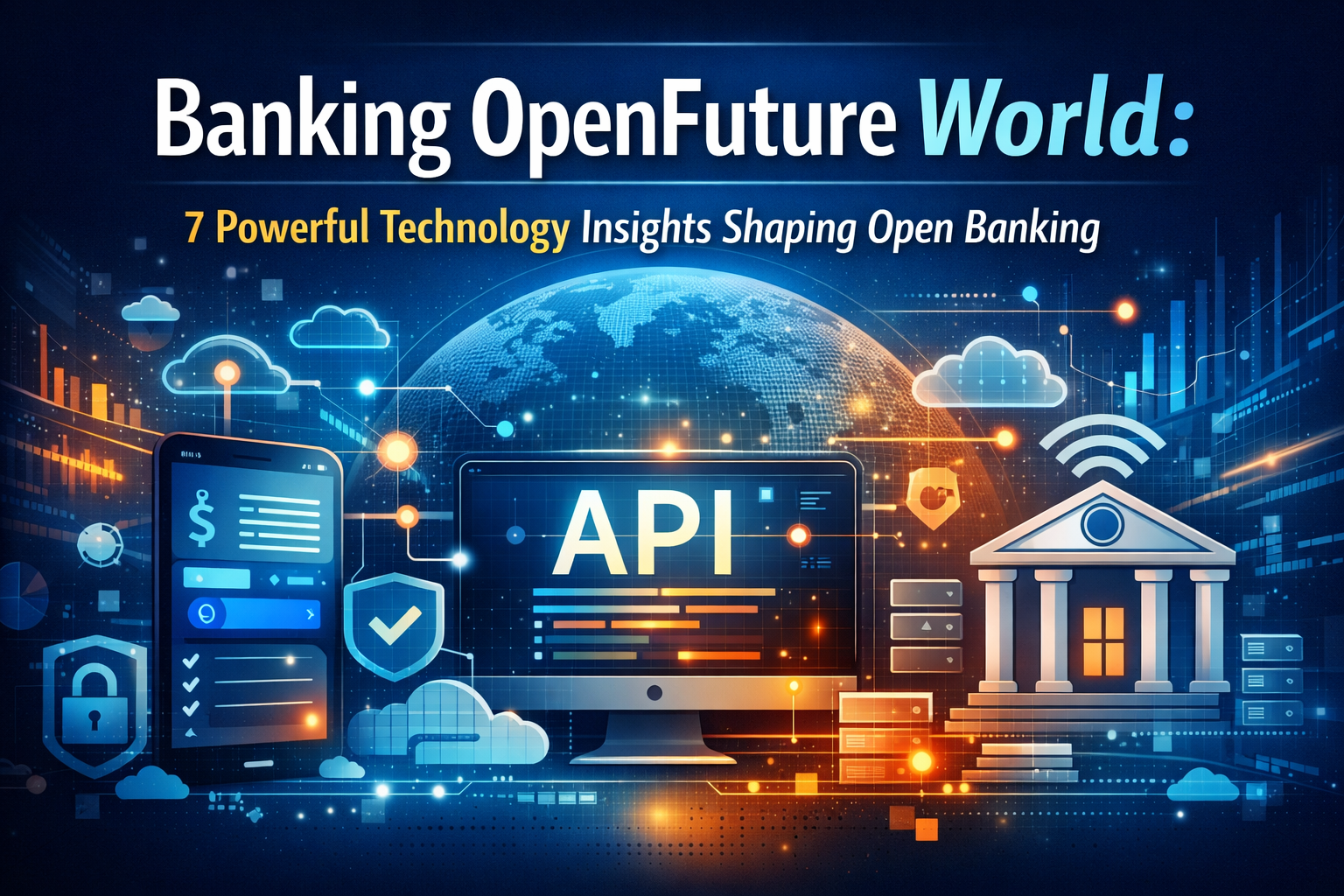
Banking is changing fast, old banking systems were closed and hard to change, new banking systems are open and flexible, they use modern technology, this change is called open banking, it is growing into open finance, in this new digital world OpenFuture World plays an important role, it helps people understand how open banking works, it also helps companies find each other, this article explains Banking OpenFuture World using simple words and clear ideas, the focus is on technology and systems NippyBox
What Banking Means Today
Modern banking is not only about money, it is about data systems and software platforms
Banks now use
-
APIs
-
cloud systems
-
real time data
-
modular services
This allows banks to connect with other companies, it also allows faster product building
Why banking had to change
-
Customers want digital services
-
New fintech companies move fast
-
Regulators ask banks to share data
-
Old systems are slow and expensive
Because of this banks are becoming technology platforms
What Is Open Banking
Open banking is a technical system, it lets customers share bank data with other apps, this only happens when the customer agrees
Main ideas of open banking
-
The customer owns the data
-
Banks share data using APIs
-
Access is secure
-
Every action is logged
Open banking is not one app, it is a set of rules and technologies
How Open Banking Works Step by Step
1 A user opens an app
2 The app asks for bank access
3 The bank checks the user identity
4 The user gives permission
5 The bank sends data through an API
6 The app shows the data
All steps are controlled by security systems
Types of Data Shared in Open Banking
Banks do not share everything, only approved data is shared,
Common data types
-
Account details
-
Balances
-
Transactions
-
Payment status
-
Consent status
Each data type has a clear purpose
From Open Banking to Open Finance
Open finance goes further than open banking, it includes more financial products
Products covered by open finance
-
Loans
-
Credit cards
-
Investments
-
Insurance
-
Pensions
The same API logic is used, the systems are just larger
What Is OpenFuture World
OpenFuture World is not a bank, it is not a fintech app, it is a platform that shows the open banking ecosystem,
It helps users understand
-
who builds technology
-
who offers services
-
how systems connect
It acts as a map for the open finance world
What OpenFuture World Provides
Main platform features
-
A global company directory
-
Technology focused content
-
News and learning articles
-
Event and ecosystem insights
The goal is clarity and discovery
Open Banking Technology Stack
Open banking systems are built in layers
Main technical layers
-
User apps
-
API gateways
-
Identity services
-
Core banking systems
-
Monitoring tools
Each layer has a clear role
Technical Responsibilities by Layer
| Layer | Role |
|---|---|
| User apps | Show data and start requests |
| API gateway | Control traffic and security |
| Identity service | Check user access |
| Core systems | Store money data |
| Monitoring tools | Track system health |
This structure improves stability and scale
API Design in Open Banking
APIs are the core of open banking,
API design rules
-
Simple URLs
-
Clear versions
-
Secure access tokens
-
Limited data exposure
APIs must be stable and predictable
Common Open Banking API Paths
| API path | Purpose |
|---|---|
| accounts | List user accounts |
| transactions | Show payment history |
| payments | Start a payment |
| consents | Check access permission |
Each path serves one function
Consent Management Technology
It is a technical object, it is stored and checked by systems
Consent process
-
User approval
-
Token creation
-
Access validation
-
Expiry handling
-
Revocation support
Without consent no data moves
Security in Open Banking Systems
Security is critical in open banking
Key security controls
-
Encrypted connections
-
Strong authentication
-
Access tokens
-
Usage limits
-
Audit logs
These controls protect customer data
Common Security Risks
Risks
-
Token theft
-
Fake apps
-
API abuse
-
Data leaks
Protection methods
| Risk | Protection |
|---|---|
| Unauthorized access | Strong identity checks |
| Data leaks | Encryption |
| API abuse | Rate limits |
| Fraud | Monitoring tools |
Security is ongoing not one time work
Data Normalization in Open Banking
Banks store data differently, apps need data in one format
Why normalization matters
-
Better user experience
-
Accurate analytics
-
Easier integrations
Normalization steps
-
Rename fields
-
Clean descriptions
-
Match merchants
-
Group transactions
This improves data quality
Event Driven Banking Systems
Modern systems react to events,
Common events
-
Payment completed
-
Balance change
-
Consent revoked
-
Error detected
Benefits
-
Faster updates
-
Less system load
-
Real time alerts
Event systems improve performance
Embedded Finance Explained Simply
Embedded finance means finance inside other apps,
Examples
-
Paying inside a shopping app
-
Getting a loan in a business tool
-
Insurance during checkout
This is possible because of open APIs
Technology Behind Embedded Finance
Key technical parts
-
Banking APIs
-
Identity services
-
Payment engines
-
UI components
Finance becomes a background service
Why Ecosystem Mapping Matters
The open banking world is large, many companies build similar tools, finding the right one is hard
Problems without mapping
-
Long research time
-
Wrong integrations
-
Missed partners
Ecosystem platforms solve this
Role of OpenFuture World in Technology Discovery
OpenFuture World helps users
-
find providers
-
understand capabilities
-
see market structure
This saves time and reduces risk
Current Technical Challenges
Open banking is still growing
Challenges
-
API quality differences
-
System downtime
-
Legacy system limits
-
Cross country rules
Engineers work to solve these daily
Future Direction of Open Banking Technology
The future is more connected
Expected trends
-
Open data beyond finance
-
AI driven insights
-
Smarter consent systems
-
Global API standards
-
Digital identity integration
Technology will continue to evolve
Frequently Asked Questions
What is Banking OpenFuture World?
Banking OpenFuture World explains how modern banking technology works, it focuses on open banking open finance APIs and digital systems, it also refers to the ecosystem platform OpenFuture World
What is banking openfuture world in simple words?
Open banking allows customers to share bank data with apps they trust, this is done using secure technology called APIs, the customer always controls access
How does open banking technology work?
Open banking works through APIs identity checks and consent systems, data is shared only after the user gives permission
Is open banking safe?
Yes open banking uses strong security, data is encrypted, access is limited, all activity is monitored
What is open finance?
Open finance is the next step after open banking, it includes loans investments insurance and pensions, it uses the same secure technology
What is the role of OpenFuture World?
OpenFuture World helps people understand the open banking ecosystem, it shows companies technologies and market structure
Does OpenFuture World provide banking services?
No OpenFuture World does not provide banking or payments, it is an information and discovery platform
Who uses Banking OpenFuture World?
Engineers fintech companies banks consultants and researchers use it, it helps them explore open banking technology
Conclusion
Banking Open Future World represents modern banking technology, it shows how APIs data and platforms work together, open banking is a system change not a trend, it is about building flexible secure and connected finance, as systems grow more complex understanding the ecosystem becomes critical, platforms like Open Future World help make sense of this complexity, they support engineers architects and businesses in building the future of open digital finance