

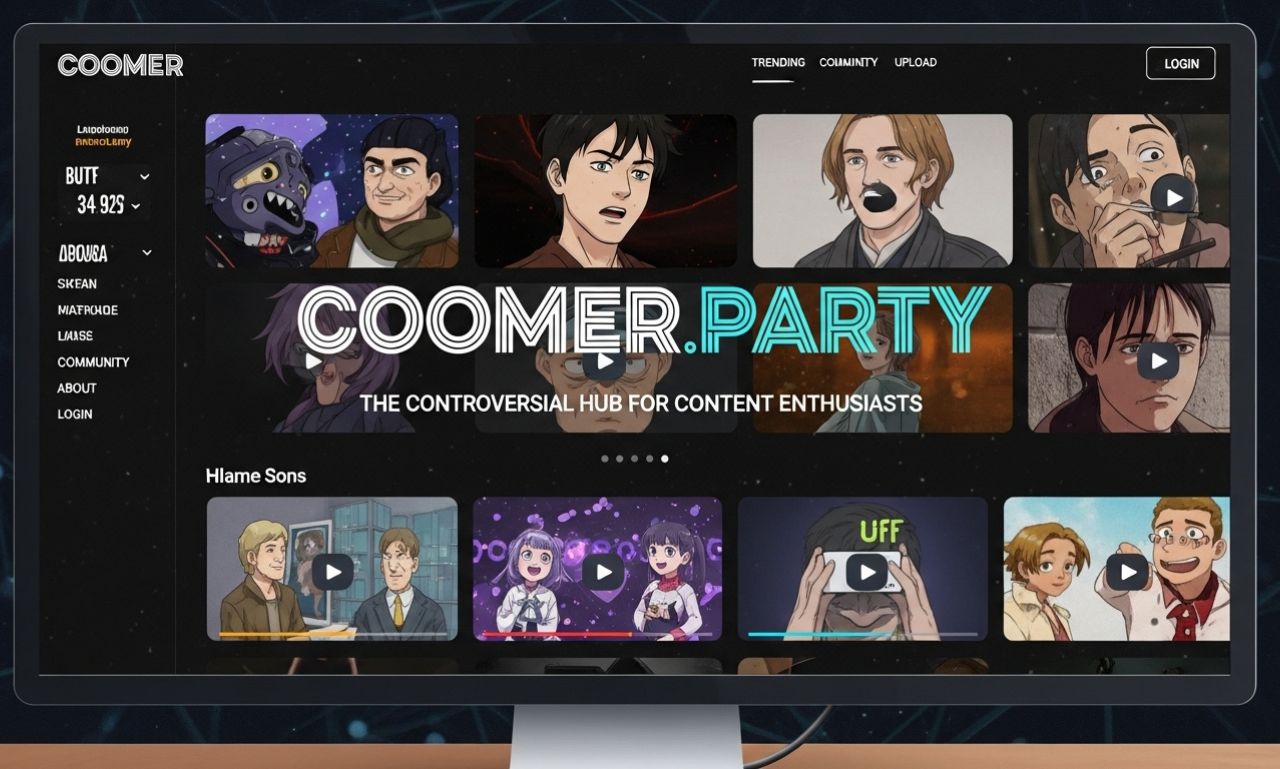
Coomer.Party has emerged as a unique yet controversial hub for content enthusiasts across the internet. It’s a place where users gather to share and explore adult-themed material, but it also raises eyebrows and concerns among various communities. This platform embodies an intriguing mix of creativity, self-expression, and contentious dialogue about digital culture. Whether you’re curious about what Coomer.
Party offers or want to understand its impact on society, this blog post delves into the complexities surrounding this online phenomenon. Buckle up as we navigate through its purpose, controversies, advantages, and potential future!
What is Coomer.Party?
Coomer.Party is a digital platform that has gained significant attention for its unique approach to adult content sharing. It primarily caters to individuals who enjoy exploring various forms of explicit material in an open and engaging environment.
Users can create profiles, share posts, and interact with others who have similar interests. The site embraces a community-driven model where members contribute content, fostering collaboration among users.
Unlike traditional adult sites, Coomer.Party encourages creative expression through memes and user-generated art. This decentralized approach sets it apart from conventional platforms focused solely on consumption.
While the site offers a space for exploration and connection, it also raises questions about online behavior and ethics within adult communities. Its popularity continues to grow as more people seek alternative ways to engage with explicit content responsibly.
The Controversy Surrounding Coomer.Party
Coomer.Party has stirred significant debate since its inception. Critics argue that the platform promotes unhealthy habits and indulgences. They claim it encourages excessive consumption of adult content, leading to potential addiction.
The site’s user-generated nature adds fuel to the fire. Some believe it fosters a culture where objectification thrives and genuine connection fades away. Detractors worry about the implications for mental health, particularly among younger audiences.
On the flip side, supporters highlight freedom of expression and autonomy over personal choices. They argue that individuals should have the right to explore their interests without societal judgment.
However, this clash between personal liberty and social responsibility continues to spark heated discussions in various communities online. The ongoing debate reflects broader concerns about digital culture and its influence on behavior and relationships today.
The Positive Aspects of the Platform
Coomer.Party offers a unique space for content enthusiasts to connect. It provides an avenue for sharing and discovering niche interests that might not have mainstream appeal.
Users can engage with like-minded individuals, fostering a sense of community. This interaction allows members to express themselves freely without fear of judgment.
The platform also serves as a creative outlet. Content creators can showcase their work, gaining exposure in areas often overlooked by traditional media channels.
Additionally, Coomer.Party promotes user-generated content, encouraging originality and innovation. This democratic approach empowers users to shape the platform’s offerings based on their preferences.
It facilitates discussions around topics that may be considered taboo elsewhere. By doing so, it challenges societal norms while providing valuable insights into diverse perspectives on sexuality and relationships.
Negative Effects of Coomer.Party on Society
Coomer.Party has sparked debates about its impact on social behavior. Users often find themselves trapped in a cycle of consumption, leading to isolation.
This platform can foster unrealistic standards, particularly regarding relationships and intimacy. Many users may develop skewed perceptions of sexuality and personal connections.
Moreover, the addictive nature of the content raises concerns about mental health. Continuous engagement with explicit material can lead to anxiety or depression among certain individuals.
In public conversations around pornography and its effects, Coomer.Party plays a controversial role. Its existence brings forth discussions that society might not be ready to tackle openly.
There’s the question of community dynamics. Instead of promoting healthy engagements or discussions, it sometimes encourages echo chambers where negative behaviors are normalized.
The Future of Coomer.Party
The future of Coomer.Party remains uncertain amid ongoing debates about its role in digital culture. As content evolves, so too does the platform’s community. Users are increasingly seeking spaces that prioritize creativity while addressing ethical concerns.
Technological advancements could reshape how content is shared and consumed on Coomer.Party. Enhanced features may attract a broader audience, shifting perceptions beyond controversy. This potential growth hinges on user engagement and adaptability.
Moreover, regulatory changes might impact the platform significantly. Striking a balance between freedom of expression and responsible moderation will be crucial for sustainability.
As society grapples with evolving norms around adult content, Coomer.Party faces an opportunity to redefine itself as a hub for more than just entertainment. The journey ahead will depend greatly on its ability to navigate these challenges while fostering positive connections within its community.
Alternatives to Coomer.Party
For those seeking alternatives to coomer.party, various platforms cater to niche interests without the same level of controversy.
Reddit is a popular choice, hosting countless subreddits that focus on adult content and community discussions. Users can explore specific topics while engaging with like-minded individuals.
OnlyFans has surged in popularity as well. It allows content creators to monetize their work directly through subscriptions, offering a more personal connection between fans and creators.
Additionally, Pornhub provides an extensive library of user-generated and professional content. It’s more mainstream but remains a solid option for those looking for variety.
Another avenue is FanCentro. This platform focuses on connecting users with influencers and adult entertainers while keeping interactions safe and consensual.
Each alternative presents unique features that might align better with individual preferences or values compared to coomer.party.
Conclusion
Coomer.Party has become a significant player in the realm of online content sharing, particularly for those who embrace adult-themed material. While it serves as a gathering spot for content enthusiasts, the platform is not without its controversies. Some view it as empowering individuals to express their desires and creativity freely, while others argue about the potential societal repercussions.
As society evolves, so does our relationship with platforms like Coomer.Party. The ongoing discussions surrounding its impact highlight the necessity for balanced perspectives on adult content consumption and creation. Whether one sees value or danger in such platforms largely depends on personal beliefs and experiences.
Users might consider exploring other options that exist within this digital landscape. Various alternatives cater to similar interests but come with different community guidelines and user interactions.
The evolution of Coomer.Party may shape how we engage with adult content in general moving forward. As conversations continue around these themes, understanding both sides can lead to more informed choices about where we share our passions online.
 Tony
Tony