

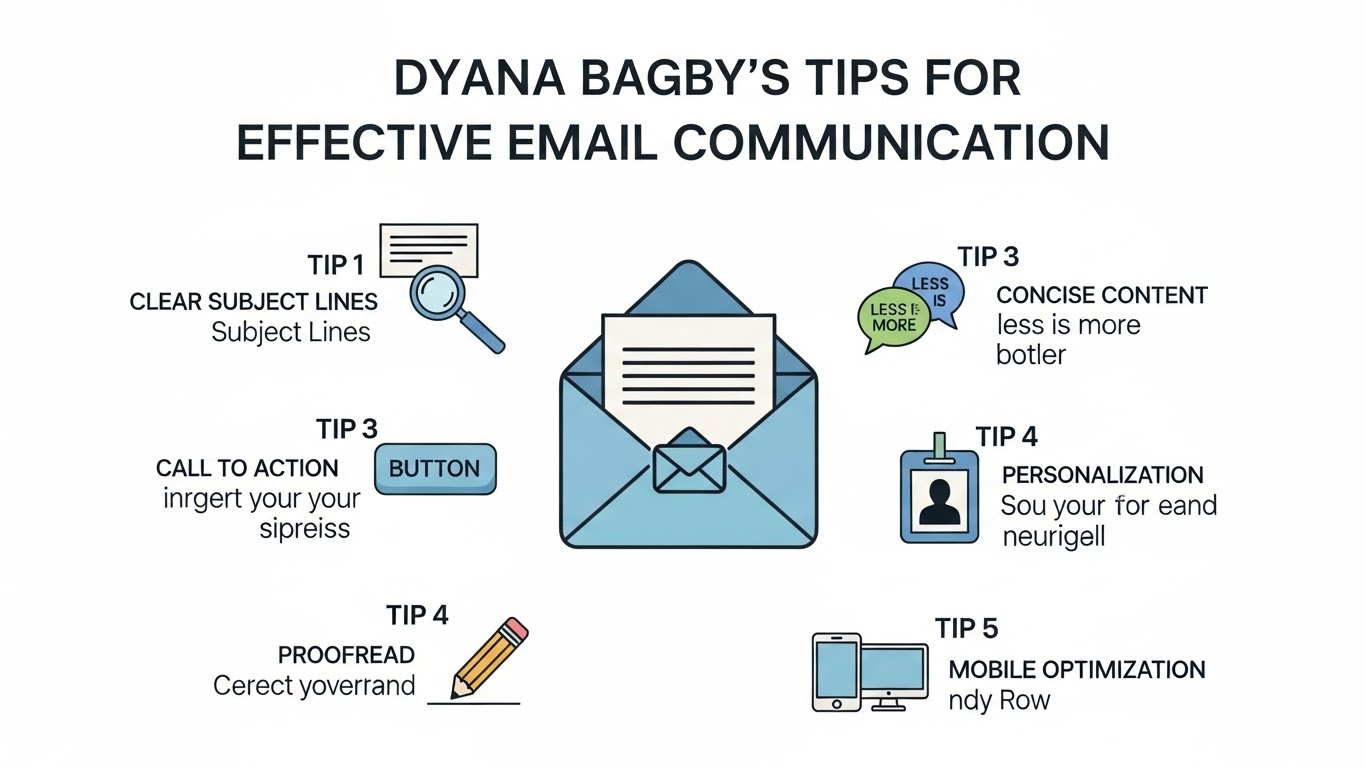
Dyana bagby email has become an essential tool in our daily communication, especially in the workplace. With the click of a button, we can connect with colleagues, clients, and stakeholders across the globe. Yet, crafting effective emails remains a challenge for many. Whether you’re reaching out to your boss or collaborating with teammates, knowing how to communicate clearly and professionally is key.
That’s where Dyana Bagby email expertise comes into play. This blog post will unravel the nuances of effective email communication while highlighting practical tips you can apply right away. Ready to enhance your email game? Let’s dive in!
What is Dyana bagby email?
Dyana Bagby email refers to the professional communication practices associated with Dyana Bagby, a prominent figure known for her expertise in effective emailing techniques. This approach emphasizes clarity and professionalism, essential traits for successful workplace interactions.
The essence of the Dyana Bagby email method lies in fostering meaningful connections through well-structured messages. It encourages users to articulate their thoughts clearly while maintaining a respectful tone.
By adopting this style, individuals can enhance their correspondence skills significantly. Emails crafted with these principles lead to better understanding and collaboration among colleagues.
Moreover, utilizing the Dyana Bagby email framework helps streamline communication processes within organizations. Emphasizing proper etiquette ensures that each message resonates positively with recipients. This not only enhances productivity but also nurtures a harmonious work environment where ideas flow freely.
The Importance of Email Communication in the Workplace
Email communication serves as a backbone in the modern workplace. It provides a quick and efficient way to exchange information, making it essential for collaboration.
Clear emails can prevent misunderstandings that often arise from vague messages. When team members articulate their thoughts clearly, projects flow more smoothly.
Furthermore, email creates a written record of correspondence. This documentation is invaluable for tracking decisions and agreements over time.
Timeliness also plays a crucial role; prompt responses foster teamwork and demonstrate respect for others’ time.
Email allows professionals to communicate across different time zones effortlessly. Regardless of location or hours worked, important updates reach everyone without delay.
Understanding the Basics of Email Etiquette
Email etiquette is essential for effective communication. It sets the tone and fosters professionalism.
Start with a proper greeting. Use the recipient’s name to create a personal touch. This small gesture can make your message more engaging.
Be mindful of your language. Avoid slang or overly casual phrases, especially in professional settings. Clear and respectful wording helps convey your message effectively.
Keep it concise. Long emails often lose the reader’s interest quickly. Stick to key points and avoid unnecessary details.
Always proofread before hitting send—spelling errors can undermine your credibility. A well-crafted email reflects attention to detail.
Respect others’ time by responding promptly when necessary. Timely replies show that you value their input and maintain an open line of communication.
Crafting an Effective Subject Line
The subject line is your email’s first impression. Make it count. A strong subject line grabs attention and sets the tone for your message.
Keep it short and sweet. Aim for around six to eight words, ensuring clarity without unnecessary fluff. This makes it easy for recipients to grasp the email’s purpose at a glance.
Incorporate relevant keywords that hint at the content inside. Be specific but concise; vague subjects lead to overlooked emails.
Consider urgency when crafting your subject line. Phrases like “Action Required” or “Response Needed by Friday” can prompt quicker responses.
Personalization also works wonders—adding the recipient’s name or referencing previous conversations creates a connection that encourages opening your email promptly.
Formatting and Organizing Your Emails for Clarity
Clear formatting can make all the difference when it comes to email communication. Start by using short paragraphs. This helps your reader digest information quickly.
Bullet points are another great tool. They break up text and highlight key points, making it easier for someone to skim through your message.
Use headings or subheadings if your email has multiple topics. This gives structure and allows recipients to find specific information effortlessly.
Don’t forget about white space! Leave enough room between lines and sections for a clean look that feels inviting rather than cluttered.
Always remember to proofread before hitting send. Typos or unclear formats can create confusion, which is the last thing you want in professional correspondence. Clear emails reflect professionalism and respect for the recipient’s time.
Writing Clear and Concise Messages
When crafting emails, clarity is your best friend. Aim to get straight to the point.
Start with a clear purpose in mind. What do you want the recipient to know or do? This focus will help guide your message.
Use simple language and avoid jargon unless necessary. Your goal is for everyone to understand without confusion.
Break up large blocks of text into shorter paragraphs. White space on the screen makes reading easier and keeps attention.
Bullet points can be incredibly useful too. They organize thoughts neatly and allow quick scanning of key information.
Reread what you’ve written before hitting send. A fresh look often reveals areas that need tightening or clarification, ensuring your email hits just right.
Using Appropriate Tone and Language
Choosing the right tone and language in emails is crucial. Your choice can shape how your message is received.
Consider your audience. A formal approach works well for colleagues or clients, while a more casual tone may be suitable for teammates you know well. Tailoring your language shows respect and understanding of their preferences.
Avoid jargon unless it’s common knowledge among recipients. Clear communication fosters better relationships and reduces misunderstandings.
Emojis can add warmth but use them sparingly in professional settings. They might not translate well across all cultures or industries.
Be mindful of word choice, too. Positive language encourages engagement, while critical words can alienate readers.
Proofreading helps catch unintended tones that might arise from typos or awkward phrasing. Small details matter when conveying professionalism through email correspondence.
Managing Email Responses and Follow-ups
Managing email responses effectively is key to maintaining a smooth communication flow. Start by setting aside dedicated time each day to check and respond to messages. This prevents emails from piling up and becoming overwhelming.
When replying, acknowledge the sender promptly, even if you need more time for a detailed response. A simple “Thanks for your email; I’ll get back to you soon” goes a long way in keeping lines of communication open.
Follow-ups can be tricky but are vital when awaiting important information or decisions. If you haven’t received a reply within a reasonable timeframe, send a friendly nudge. Keep it brief and respectful—people appreciate reminders without feeling pressured.
Organize your inbox using folders or tags so that urgent matters stand out. Prioritizing emails ensures that nothing falls through the cracks while allowing efficient management of ongoing conversations.
Dealing with Difficult or Sensitive Topics via Email
Addressing difficult or sensitive topics via email can be challenging. It’s essential to approach these situations with care and thoughtfulness.
Start by acknowledging the gravity of the issue. This shows respect for the recipient’s feelings and sets a serious tone for your message. Use clear language, avoiding jargon that might confuse or alienate them.
Be direct but gentle in your wording. Frame your points constructively, focusing on solutions rather than problems. This helps mitigate defensiveness and encourages open dialogue.
Consider timing as well; sending an email late at night may not be ideal for heavy discussions.
Invite a response to foster engagement and understanding. Encourage them to share their thoughts or concerns, making it clear you’re open to further conversation about the topic at hand.
Tips for Staying Professional and Polite in All Email Interactions
Staying professional in email communication is crucial for maintaining a positive impression. Always start with a polite greeting. Address the recipient by name to personalize your message.
Use proper grammar and punctuation throughout your emails. This reflects attention to detail and respect for the reader’s time.
Be mindful of your word choice. Avoid slang or overly casual language that may come across as unprofessional.
Respond promptly, ideally within 24 hours, even if just to acknowledge receipt of their message. Timely responses show you value the conversation.
End with a courteous closing statement. A simple “thank you” or “looking forward to hearing from you” leaves a good final impression and encourages ongoing dialogue.
Conclusion
Effective email communication is a vital skill in today’s workplace. By understanding the basics of email etiquette and implementing strategies to craft clear, concise messages, you can significantly enhance your professional interactions. From creating attention-grabbing subject lines to managing responses gracefully, each component plays a role in how your emails are perceived.
Navigating sensitive topics via email requires an even greater level of care. Maintaining professionalism and politeness helps foster positive relationships with colleagues and clients alike. Whether you’re reaching out for collaboration or addressing challenges, remember that every message represents not just your thoughts but also your character.
By following these tips on effective email communication, including insights into Dyana Bagby’s approach to emailing, you’ll be better equipped to engage with others meaningfully while leaving a lasting impression.
 Tony
Tony