

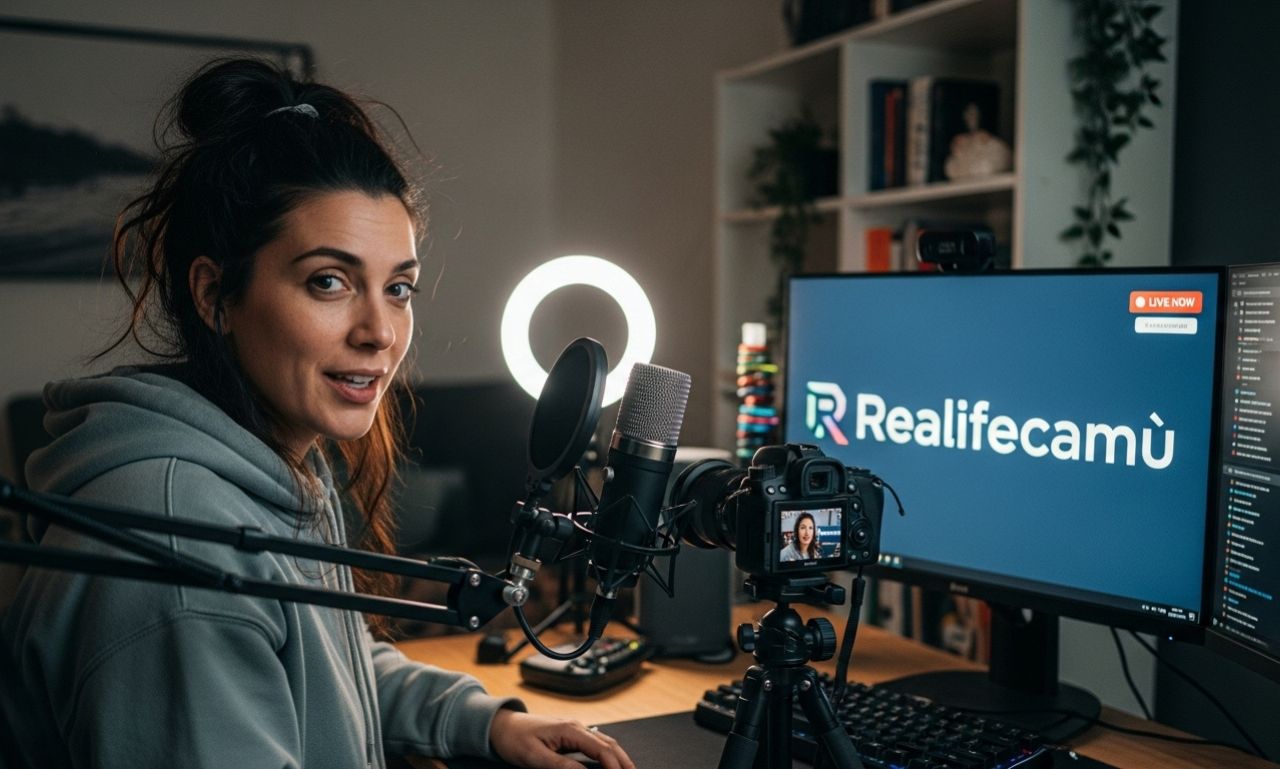
In a world where curated content reigns supreme, Realifecamù emerges as a bold challenger to the status quo. This platform invites viewers into the raw and unedited lives of its participants, stripping away filters and facades. As live streaming gains momentum, audiences are drawn to the allure of realness—an unscripted glimpse into everyday existence that reality TV often glosses over. But with this newfound transparency comes an array of questions about privacy, ethics, and societal norms. Join us as we delve into the captivating universe of Realifecamù, exploring what it means to embrace authenticity in an increasingly manufactured digital landscape.
What is Realifecamù?
Realifecamù is a platform that takes live streaming to new heights. It offers viewers an unfiltered glimpse into the lives of everyday people, broadcasting their daily routines in real-time.
Users can tune in at any moment to see what’s happening in various households around the world. This raw approach is unlike typical reality shows; there’s no script or editing involved.
Individuals participating often open up their homes, sharing intimate moments with an audience they may never meet. The spontaneity adds a layer of authenticity that scripted content simply can’t replicate.
With cameras rolling 24/7, Realifecamù blurs the line between entertainment and voyeurism. It’s a unique experiment where life unfolds before our eyes, and each interaction feels genuine yet curated by its very nature.
The Rise of Live Streaming and Reality TV
Live streaming has transformed the media landscape, ushering in an era where audiences crave authenticity. Platforms like Twitch and YouTube Live have popularized real-time interaction between creators and viewers.
Reality TV set the stage for this shift. Shows became a cultural phenomenon by showcasing unscripted moments that felt relatable. People were drawn to the rawness of human experience, making it a staple of entertainment.
As technology advanced, so did accessibility. Today’s smartphones can broadcast life as it unfolds, blurring lines between performer and audience. This democratization of content creation invites everyone to share their stories.
The spontaneity of live streaming taps into our desire for connection. Viewers don’t just watch; they engage and participate in experiences together—no filters needed. The rise continues as more individuals embrace their unique narratives in front of the camera, shaping trends along the way.
The Controversy Surrounding Realifecamù
Realifecamù has stirred a storm of controversy since its inception. Critics argue that it strips away privacy, exposing everyday moments to the world. The constant live streaming can feel invasive, blurring lines between public and private life.
Concerns about consent also arise. Are all participants fully aware of how their actions are broadcasted? This question lingers as viewers tune in.
Moreover, the platform’s unfiltered nature raises ethical dilemmas. It invites voyeurism while challenging societal norms around intimacy and personal boundaries.
The debate intensifies with questions about exploitation versus authenticity. Is Realifecamù giving people a voice or just turning them into spectacles? As discussions unfold, one thing is clear: this model disrupts traditional media narratives in unexpected ways.
Public Perception and Privacy Concerns
Public perception of Realifecamù swings between fascination and discomfort. Many viewers are drawn to the unfiltered glimpse into everyday life, appreciating the rawness that traditional media often glosses over. However, this appeal raises significant privacy concerns.
People featured on these streams may not fully grasp the implications of constant surveillance. Their private moments become public fodder without explicit consent or control over how they’re portrayed. This reality can feel invasive, even for those who willingly participate.
Critics argue that audiences consume content with little regard for the emotional toll on individuals behind the cameras. The line blurs between entertainment and exploitation, igniting debates about where personal boundaries should lie in an age dominated by streaming services.
As technology evolves, so does our understanding of privacy. Society must grapple with these complex issues as platforms like Realifecamù redefine what it means to share one’s life publicly.
The Appeal of Unfiltered Reality
The allure of unfiltered reality lies in its rawness. Viewers crave authenticity, a glimpse into lives that are not curated for the perfect Instagram aesthetic.
With platforms like Realifecamù, audiences witness genuine moments—both mundane and extraordinary. This unedited content resonates deeply with those tired of polished personas.
People relate to imperfections, embracing flaws that make us human. It creates a sense of belonging in an increasingly disconnected world.
Reality streaming invites viewers to step into someone else’s shoes without filters or scripts. The unpredictable nature keeps them engaged, as they never know what might happen next.
For many, it’s not just entertainment; it’s a way to explore different lifestyles and cultures from the comfort of their homes. The spontaneity brings excitement and unpredictability rarely found in traditional media formats.
Ethical Issues Raised by Realifecamù
Realifecamù brings forth a myriad of ethical dilemmas. The platform thrives on the unfiltered lives of its users, but at what cost? Consent becomes murky when individuals are filmed without their explicit agreement.
There’s also the question of exploitation. Are participants fully aware of how their content might be used or misused? Many may not grasp the long-term implications of sharing their lives so openly.
Then there’s privacy erosion. Once shared, personal moments can spread rapidly and widely across the internet, leading to potential harassment or stalking.
Mental health concerns arise too; constant exposure can affect self-esteem and create anxiety for those involved in live streaming scenarios. These issues challenge us to rethink boundaries in an age dominated by digital transparency.
The Future of Live Streaming and Privacy
The future of live streaming is poised for transformation as technology evolves and user expectations shift. With platforms like Realifecamù at the forefront, privacy concerns are becoming increasingly paramount. Viewers are demanding more transparency about how their data is used.
Emerging regulations may shape this landscape significantly. Governments worldwide are scrutinizing privacy practices, requiring stricter guidelines for content creators and platforms alike.
As viewers grow more aware of their digital footprints, companies must innovate to foster trust. They might implement features that allow users to control what they share in real-time.
Ethical considerations will also play a crucial role moving forward. Audiences crave authenticity but expect respect for personal boundaries too.
Balancing engagement with privacy remains a challenge. The future could see new models that prioritize both interaction and user safety in ways we have yet to imagine.
Conclusion
Realifecamù is undeniably a fascinating and complex platform that epitomizes the unfiltered reality of live streaming. As we’ve seen, its rise coincides with society’s growing appetite for authentic content. However, this desire often clashes with concerns about privacy and ethics.
The controversies surrounding Realifecamù highlight a significant tension in our digital age: the balance between entertainment and individual rights. Public perception varies widely, from intrigue to outright disapproval. For many, the appeal lies in witnessing real-life moments without any scripts or edits.
Yet ethical issues cannot be overlooked. The implications of broadcasting everyday lives raise questions about consent and personal boundaries. As technology evolves, so too will discussions around what it means to share one’s life openly with an audience.
Looking ahead, the future of platforms like Realifecamù remains uncertain but intriguing. How society navigates these waters will shape not just live streaming but also broader conversations about privacy in our increasingly connected world.
It’s clear that as viewers continue to seek authenticity in their entertainment choices, platforms must find ways to address both audience engagement and ethical responsibility moving forward.
 Tony
Tony